El Massaya Arak

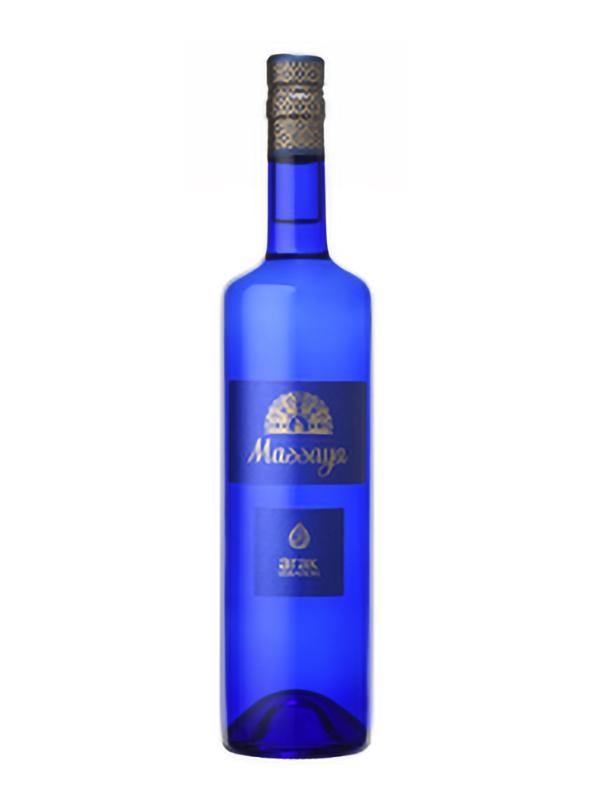
El Massaya Arak is a 750mL Lebanese arak bottled at 50% ABV (100 proof) for the US market, made by the Ghosn brothers' Massaya estate at Tanaïl in the Beqaa Valley. It is triple-distilled in Moorish-lid copper pot stills from wine made from indigenous Obeidi grapes, with green aniseed from Hiné macerated before the third distillation, then rested approximately two years in clay amphorae — no added sugar, non-chill filtered — and sold in the brand's signature blue bottle. It is available to order online at Del Mesa Liquor.
- ABV: 50% (100 proof) — US bottling per US importer Skurnik
- Size: 750mL
- Origin: Tanaïl, Beqaa Valley, Lebanon — Massaya estate
- Base: Wine from indigenous Obeidi grapes, fermented to about 13% ABV
- Method: Triple-distilled in Moorish-lid copper pot stills; green Hiné aniseed macerated ~15 hours before the third run
- Resting: Approximately 2 years in 70-litre clay amphorae from Beit Chebab
A Winemaker's Arak, in the Blue Bottle
Massaya is a winery first. Brothers Sami and Ramzi Ghosn returned in the early 1990s to revive their family's war-damaged Tanaïl property in the northern Beqaa — land their parents had planted with table grapes, including Obeidi, for home-made arak in the 1970s — and built it into one of Lebanon's noted wine estates. The arak follows a winemaker's logic, summed up in the house saying the importer builds the story around: the better the wine, the better the arak. Estate Obeidi grapes are fermented into a wine of about 13%, then triple-distilled in Moorish-lid copper stills made by the Tartoussi family of Tripoli and fired with vine wood; green aniseed from Hiné, on the Syrian slopes of Mount Hermon, is macerated in the spirit for some 15 hours before the third distillation. The spirit then rests roughly two years in 70-litre clay amphorae from the potters of Beit Chebab, whose porosity lets it breathe, before proofing with estate well water. "Massaya" means twilight — the blue of the bottle is the dusk sky over the Mediterranean. See the estate's page on the Massaya vendor page and more Lebanese arak in our spirits collection.
Tasting Notes
Per US importer Skurnik: medium-bodied, dry and persistent, with bright green fennel and anise, spearmint and pungent black licorice, and a waxy mouthfeel. Producer-derived serving notes add a beguiling aniseed freshness that cleanses the palate — the house test is an arak smooth enough to drink on the rocks.
How to Enjoy
Traditionally diluted — producer-derived ratios run from two parts water to one part arak for the standard serve to a longer 6:1 aperitif — always water before ice, with mezze; or on the rocks, neat, the producer's own quality test. More Levantine spirits live in our spirits collection and our liqueurs collection.
Frequently Asked Questions
How is El Massaya Arak aged?
It is rested in clay, not oak: approximately two years in 70-litre clay amphorae made in Beit Chebab, per the US importer (the producer's newsletter gives a range of one to two years). Older listings saying "over 6 months" repeat superseded copy.
What grapes and anise does El Massaya use?
Indigenous Obeidi grapes from the estate's Beqaa Valley property, fermented into wine before distillation, and green aniseed from Hiné on Mount Hermon, macerated about 15 hours before the third distillation.
Why is the El Massaya bottle blue?
"Massaya" means twilight or dusk — the blue bottle is the producer's reference to the evening sky over the Mediterranean.
The Beqaa's benchmark estate arak, clay-rested and blue-bottled — order El Massaya Arak online from Del Mesa Liquor, San Diego, CA.